Understanding Home Energy Use
Any energy project starts with knowing your own consumption. This focus area explains how to read a meter, what kilowatt-hours mean and which appliances usually draw the most power — so you can judge what a DIY project can realistically support.
Start with kilowatt-hours
Your bill measures energy in kilowatt-hours (kWh): one kilowatt of power used for one hour. A 10-watt LED bulb running for 100 hours uses 1 kWh; so does a 2,000-watt space heater running for 30 minutes. Thinking in kWh helps you see which devices matter.
Read your meter
Write down your meter reading at the same time each week. The difference between readings is your weekly use. Do this for a month before changing anything so you have a fair baseline to compare against.
Know the big loads
- Heating and cooling are typically the largest users in most homes.
- Water heating is often next.
- Refrigerators, dryers and ovens draw significant power.
- Lighting, phones and Wi-Fi are comparatively small.
Why it matters for a DIY project
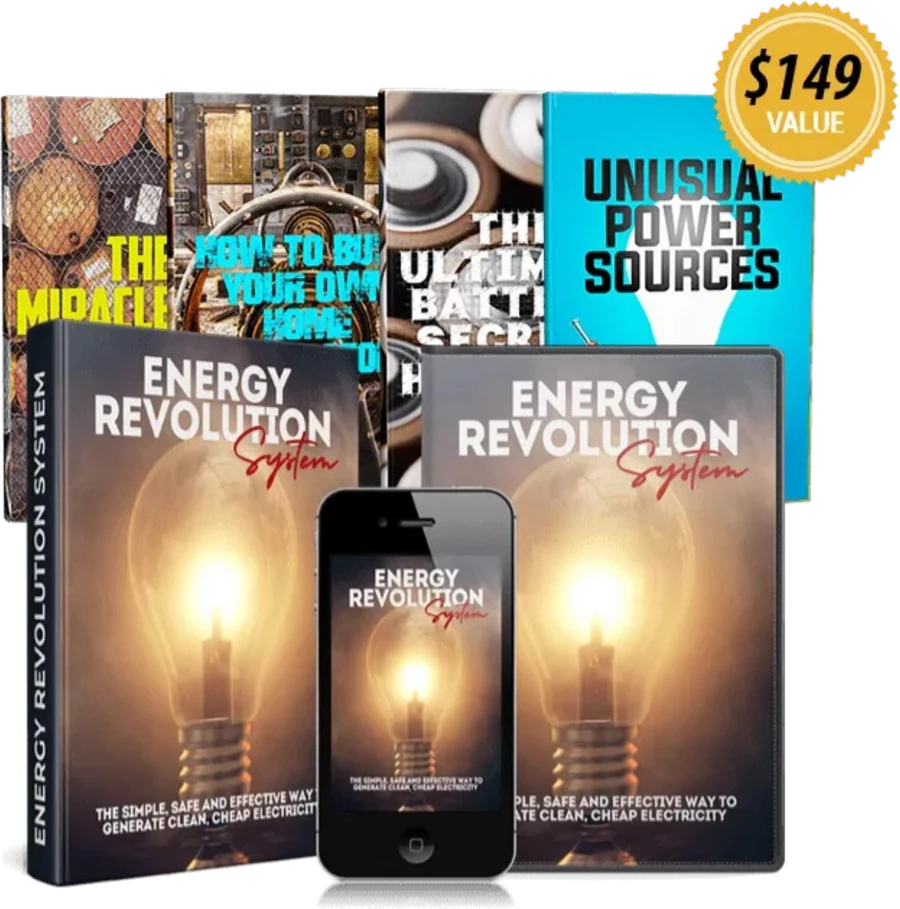
A compact project like the one in the Energy Revolution System guide is best matched to small loads such as LED lights or device charging. Knowing your loads lets you set realistic goals and judge results honestly.
Ready to start your own energy project?
Get the full Energy Revolution System guide for a one-time $39. It downloads instantly after checkout and is covered by the seller's 60-day money-back guarantee.
Independent affiliate site. How we earn · Checkout is handled by the seller.