Coil & Electromagnetism Basics
The guide draws on Nikola Tesla's bifilar coil concept. This focus area explains, in plain terms, what a coil does, how electromagnetic induction works and why no device can output more energy than it takes in.

What a coil does
When current flows through wire, it creates a magnetic field. Winding the wire into a coil concentrates that field. Change the current, and the changing field can induce a voltage in nearby conductors — the principle of electromagnetic induction behind transformers and generators.
Tesla's bifilar pancake coil
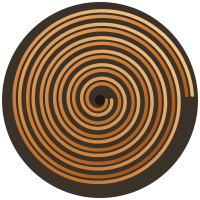
Nikola Tesla patented a coil wound flat from two parallel wires connected in series. The arrangement changes how the coil stores and releases energy. The Energy Revolution System guide says its design draws inspiration from this concept.
The rule every device obeys
Energy is conserved: no coil, magnet or circuit can deliver more energy than it receives. Practical gains come from reducing losses — better connections, correct wire gauge and efficient loads. Keep this in mind when evaluating any energy product, including this one.
Learn by measuring
A multimeter lets you see voltage and current for yourself. Recording input and output turns your build into a genuine experiment.
Ready to start your own energy project?
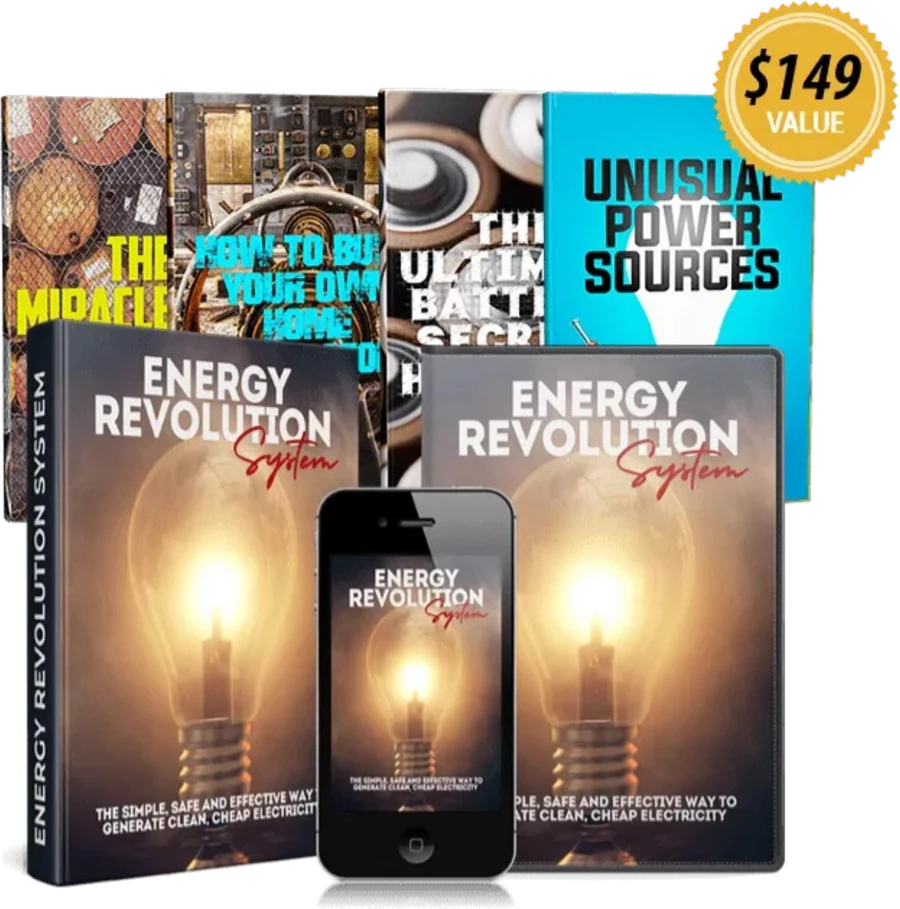
Get the full Energy Revolution System guide for a one-time $39. It downloads instantly after checkout and is covered by the seller's 60-day money-back guarantee.
Independent affiliate site. How we earn · Checkout is handled by the seller.