Power cuts are easier to handle with a plan. You don't need expensive equipment to cover the essentials.
Step 1: list your essentials
Write down what you must keep running — lighting, phone charging, a radio, the router, any medical equipment — with each item's wattage.
Step 2: estimate hours
Multiply watts by hours to get watt-hours. Ten watts of LED lighting for five hours is 50 Wh; charging a phone is usually around 10–20 Wh.
Step 3: choose your storage
- Power banks for phones and small devices
- Portable power stations for lights and routers
- DIY battery projects as a supplement, built with fuses and proper enclosures
Step 4: keep it ready
Charge everything monthly, store spare torch batteries and keep your kit somewhere you can find in the dark.
Generator safety
Only run fuel generators outdoors, well away from doors and windows, and never connect them to household wiring without a professionally installed transfer switch.
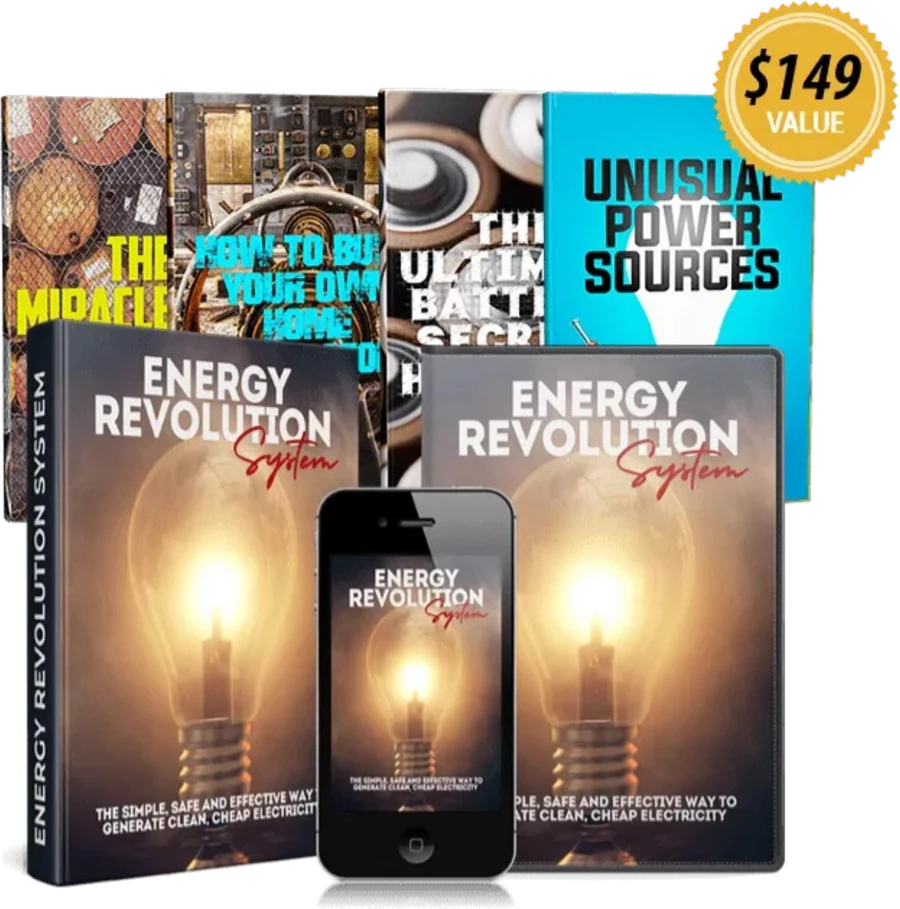
About the product: the Energy Revolution System is a DIY PDF guide with blueprints and a parts list. ← Back to the blog