Building electronics is rewarding, and a few habits keep it that way. These basics apply to any beginner project, including the one in the Energy Revolution System guide.
Essential tools
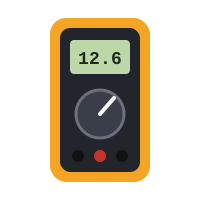
- A digital multimeter
- Insulated screwdrivers and wire strippers
- Safety glasses
- A fire extinguisher rated for electrical fires
Five rules to live by
- Disconnect first. Remove power and batteries before touching connections.
- Fuse it. A correctly rated fuse close to the power source protects against short circuits.
- Match wire to current. Undersized wire overheats.
- Insulate everything. Use heat-shrink or proper connectors — never bare twisted wire.
- Test before trusting. Confirm voltages with your meter.
Battery care
Batteries store a lot of energy. Keep terminals covered, charge with suitable chargers, and never short them with tools.
When to call a professional
Anything connected to mains wiring, your consumer unit or your utility supply should be handled by a licensed electrician. It protects you, your household and line workers, and keeps you on the right side of local codes and insurance.
Go deeper on our DIY Electrical Safety focus page, or read how the guide's build process works.
About the product: the Energy Revolution System is a DIY PDF guide with blueprints and a parts list. ← Back to the blog